Clear aligners in Tijuana.
Also called Invisalign · clear braces · invisible braces · removable braces · aligners · alineadores transparentes or ortodoncia invisible in Spanish
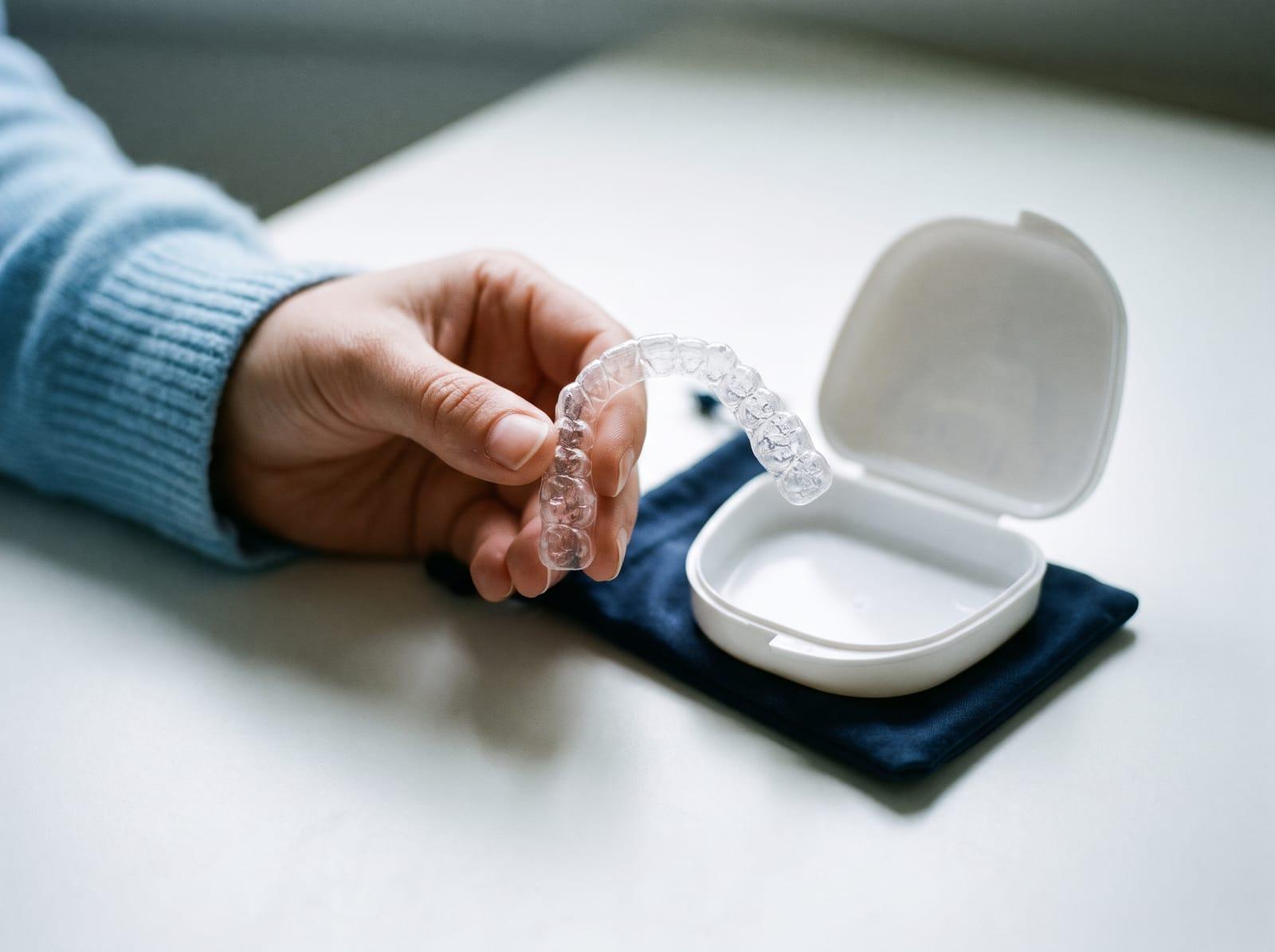
Clear aligners straighten teeth with a series of clear trays, and the work runs for months, so the real question is who checks on your teeth after you cross back north.
- Typical in Tijuana
- $4,235
- across 3 clinics we list
- In the US
- $3,415
- to $8,965 · Invisalign, full course
- Trips
- 2
- months apart
- Days in Tijuana
- 3
- at least, not always in a row
The short answer
- 01Clear aligners can cost less in Tijuana, with published ranges of about $2,500 to $5,000 for Invisalign against about $3,415 to $8,965 in the US.
- 02They suit mild to moderate crowding and gaps, and they do not suit every bite: your orthodontist decides after an exam and X-rays.
- 03The scan and plan come first, the trays take 2 to 4 weeks to make, and many patients plan a second trip or ask about shipping.
- 04Treatment runs for months and needs regular check-ins, so ask how they happen: in person, by photo, or both, and who handles problems at home.
- 05The catch: the AAO says to expect retainers for life, and a plan with no in-person exam at the start is the one to avoid.
At a glance
- Visits
- Scan and plan first, trays 2 to 4 weeks later, then check-ins
- Trips
- Usually 2 or more, or 1 plus shipping and photo reviews
- Days in Tijuana
- About 3 for the first visit, shorter later
- Anesthesia
- None for most cases
- Lasts
- Mild cases up to 9 months, harder ones longer
- Back to normal
- Right away, with trays worn 22 to 23 hours a day
US dollars, published ranges
What clear aligners costs.
Published prices for a full course of Invisalign run roughly $2,500 to $5,000 in Tijuana and about $3,415 to $8,965 across the US. The saving is real, but it comes with more planning for check-ins.
Difference between the middle of each range. Your own quote can sit anywhere in it. These are published ranges from independent sites, not quotes. The final price follows an exam, X-rays and a scan, and depends on the brand and how many trays your plan needs. Ask whether retainers and any extra trays are included.
Sources: US, Pearl Dental Costs, from ADA fee survey data, 2026; Tijuana, Bookimed, 2026.
Tijuana clinics we list
Typical
$4,235
$2,500 to $4,500 across 3 clinics
Usually in the price
- ✓ 3D scan
- ✓ Treatment plan
- ✓ Full set of aligners
- ✓ Check-ups during treatment
What moves the price
- How hard your case isMild crowding needs fewer trays than a bite problem. More trays and more months usually mean a higher price.
- BrandInvisalign is a brand. Other aligner brands exist, and Mexico wide listings for clear aligners run lower, from about $1,600 to $4,200.
- Who plans itAn orthodontist, a general dentist or a team that only follows a software plan. Ask who does what.
- Retainers and extra traysRetainers often cost extra. A US cost guide puts them at $300 to $800, and some practices include them in the quote.
- Check-insSome prices cover check-ups for the whole course. Others charge per visit, or per shipment of trays.
- Work firstCavities, gum disease or a missing tooth may need treatment before trays start, and that is billed separately.
Published prices, per clinic
3 clinics for clear aligners.
Each clinic's own published prices in US dollars. Open a clinic for its warranty, reviews and how to get there.
Free for you
Get clear aligners quotes from Tijuana clinics
Tell us what you need, the quote you have in the US and how many days you can spend in Tijuana. We send it to matched clinics and they reply with a quote.
The guide
Clear aligners, step by step.
9 short chapters: what it involves, who it suits, how the visits work across the border, cost, risks and how to choose a clinic.
What clear aligners are
Clear aligners are custom plastic trays made from a scan of your teeth. You wear one set for about two weeks, then change to the next, and each tray moves your teeth a small step. The Cleveland Clinic says you wear them 22 to 23 hours a day and take them out to eat, brush and floss.
- a day in the trays, out only to eat and clean
- 22 to 23 hours
- Source: Cleveland Clinic
- per tray before you change to the next
- About 2 weeks
- Source: Cleveland Clinic
- for slightly crooked teeth, longer for harder cases
- Up to 9 months
- Source: Cleveland Clinic
Invisalign is one brand. Others exist, and the idea is the same. The Cleveland Clinic notes that fewer food rules and easier cleaning are the main draw, while braces may correct some problems faster.
Who clear aligners suit, and who they do not
The FDA says aligners may be ineffective for more complex orthodontic conditions, and the Cleveland Clinic says they are not an option for everyone. Your orthodontist decides, after an exam, whether trays can do the job or whether braces fit better.
Some movements are harder for trays. A systematic review in The Angle Orthodontist found extrusion, which means lifting a tooth out of its socket, the least accurate movement at about 30%, and one study measured about 36% accuracy for rotating canines. Planners often add attachments, small bumps on the teeth, to help, and sometimes a second round of trays.
Honesty about wear matters too. The trays only work if they are worn as directed, the FDA and the Cleveland Clinic both say.
A good fit if
- Mild to moderate crowding, gaps or a slightly crooked smile
- Healthy teeth and gums, with any cavities or gum problems treated first
- You can wear the trays 22 to 23 hours a day and take them out only to eat and clean
- You can plan check-ins over several months, in person or as the clinic offers
- You want a less visible option than braces and can live without a quick fix
Think twice if
- A complex bite or jaw problem, which an orthodontist may treat with braces or other methods
- Active gum disease or untreated decay, until your dentist clears it
- You know you will not wear the trays most of the day
- You want it done in one short trip with no follow-up of any kind
- You were told to skip the in-person exam and X-rays and start from photos only
Invisalign, other brands and who supervises
You can find Invisalign and other aligner brands in Tijuana. Price and plan are not the only difference. The question that matters more is who supervises, and how.
The FDA says clear aligners are prescription devices that are only considered safe under the supervision of a licensed dentist or orthodontist, and that it has not authorized aligners sold directly to consumers without that supervision. It advises an evaluation, preferably in person, before you start.
- SupervisedIn-person exam, X-rays, a plan written by a licensed dentist or orthodontist, and check-ins.
- Mail orderNo in-person exam first. The FDA has not authorized aligners sold this way.
- Remote check-insPhoto or video reviews can help between visits. Ask what is done in person.
- In writingWho diagnoses, who adjusts the plan and who answers if something goes wrong.
The AAO takes the same line. It reports that 77% of its member respondents have seen new patients needing retreatment after mail order treatment with no initial in-person exam. That is a self-reported survey, not a controlled study, but it is the reason to be wary of a plan that starts from photos alone.
How treatment runs, step by step
The first visit is the exam, X-rays and 3D scan. Published clinic schedules say the set of trays then takes 2 to 4 weeks to make, which is why aligners are a two trip treatment for most patients, or one trip plus shipping.
After that, the work is slow and steady. You change trays about every two weeks, wear them nearly all day and see your orthodontist at the intervals they set. The Cleveland Clinic says the orthodontist schedules follow-ups to confirm the aligner fits and is working. It does not give a number, so ask for yours.
Before the trip
First opinion
Send photos and ask what a plan would include. A real diagnosis still needs an in-person exam, the FDA says.
Visit 1
Exam, X-rays and scan
The dentist or orthodontist examines you, takes X-rays and scans your teeth in 3D. You agree the plan and the price in writing.
Weeks 2 to 4
Trays are made
The set of trays takes 2 to 4 weeks to make. Some clinics ship them, and others ask you to collect them.
Start
First trays and fit check
You try the first trays, learn how to wear and clean them, and get small bumps (attachments) on some teeth if your plan needs them.
Every 2 weeks or so
Next tray
The Cleveland Clinic says you change to a new tray about every two weeks. Each new one can feel tight for a few days.
Months 1 to 9 and beyond
Check-ins
Your orthodontist checks the fit and the progress. Slightly crooked teeth may take up to nine months, and harder cases take longer.
After the last tray
Retainers
Teeth tend to drift back, so you move straight to retainers, full time at first, then at night.
Planning the Tijuana trips
Because treatment runs for months, plan it as a series of short visits and not one trip. Many patients cross for the first visit, then come back for the trays and for check-ins. Some clinics ship trays or review progress by photo, so ask what they offer and put it in writing.
For the crossing home, CBP says a U.S. passport, passport card, enhanced driver's license or Trusted Traveler card works at the land border. SENTRI gives members dedicated lanes at select southern border crossings, such as San Ysidro and Otay Mesa. Check the State Department advisory for Baja California before you go.
You need a U.S. passport, a passport card or another WHTI document to come back by land. Check the current wait times before you cross, and consider SENTRI or Ready Lane if you will cross often.
The exam, X-rays and scan take part of a day. Many clinics offer border pickup, so ask. Stay about 3 days if you want time to start trays and fix any early problems.
Trays take 2 to 4 weeks to make. Ask about shipping to San Diego or Arizona, or plan a second visit to collect them and check the fit.
Ask how often you need to be seen in person, and what can be done by photo or video. Plan the days off work before you commit.
Take your records, the digital plan, tray numbers and the clinic's contact. Tell a US dentist you have started, so someone local can look at problems.
What it costs, and insurance
A cost guide built on ADA fee survey data puts a full course of Invisalign in the US at $3,415 to $8,965, with an average of $5,245. Independent listings for Tijuana show about $2,500 to $5,000 for Invisalign, and Mexico wide listings for clear aligners of any brand run from about $1,600 to $4,200. These are published ranges, not quotes.
- a full course of clear aligners in the US
- $3,415 to $8,965
- Source: Pearl Dental Costs, 2026
- published for Invisalign in Tijuana
- $2,500 to $5,000
- Source: Bookimed, 2026
- for retainers in the US, sometimes included
- $300 to $800
- Source: Pearl Dental Costs, 2026
Many US dental plans pay little or nothing for care abroad, and the CDC warns that follow-up care at home may not be covered. Ask your plan before you go. For taxes, the IRS lists braces among dental treatment that can count as a medical expense, and says whitening cannot. Whether a Health Savings Account or Flexible Spending Account will pay for aligners abroad depends on your plan administrator, so ask and keep an itemized receipt.
Retainers are a cost you meet later. A US guide puts them at $300 to $800, and some practices include them in the quote. We have no sourced Tijuana figure, so ask each clinic.
Risks, retainers and aftercare
The FDA lists temporary speech changes, irritation, lost or damaged trays, and treatment that stalls if the trays are not worn as directed. It also notes that crowns, fillings or implants may loosen or need repair. The Cleveland Clinic says each new tray can be sore for a few days, and to call your orthodontist for sharp pain, pain that lasts, bleeding or swollen gums, or a loose tray.
Teeth do not stay put. The AAO says the ideal is to wear a retainer forever, because teeth tend to move back, usually full time for a few months and then at night. Clear aligners are often followed by clear retainers, which are trays shaped to your teeth. Without them, the months of work can slip.
- Wear time22 to 23 hours a day, the Cleveland Clinic says, or treatment may stall.
- RetainersThe AAO says ideally for life, full time at first, then nights.
- Call ifSharp or lasting pain, bleeding or swollen gums, or a loose tray.
- Extra traysSome cases need a second round. Ask what it costs before you start.
Keep your trays in their case when you eat, and brush before you put them back. A lost or cracked tray is a good reason to ask, before you pay, how a replacement works when you live across the border.
- Common: soreness with each new tray, a lisp for a few days, dry mouth
- Less common: a lost or cracked tray, irritation from the plastic or edges
- Possible: teeth that do not move as planned, so a second round of trays
- Get help: sharp pain, pain that does not ease, bleeding or swollen gums, a tray that no longer fits
Choosing a clinic: red flags and what to ask
A good clinic answers all of these before you pay. The CDC advises checking the clinician's qualifications and the facility, and planning how you will communicate if you do not speak the language.
Be wary of any plan that skips the in-person exam. The clinics we list set their own prices and terms, and we do not inspect or vouch for them, so the checks below are yours to make.
No in-person exam or X-rays before trays
The AAO and the FDA both say an in-person exam comes first. Ask for the exam, X-rays and scan before any price is final.
No orthodontist or dentist named
Ask who diagnoses, who writes the plan and who signs off each change. Ask for their Mexican professional license (cédula profesional) number.
A promise of a result in a set number of months
The Cleveland Clinic says timing varies. Ask what happens if your teeth do not move as planned.
No plan for retainers
The AAO says retainers are ideally for life. Ask what type, how many sets, and whether they are in the price.
No plan for problems after you leave
Ask in writing who you contact, how fast they reply, and what extra trays cost.
A cheap price with no list of what it includes
Ask for an itemized quote: exam, scan, trays, attachments, check-ins, extra trays and retainers.
Questions to ask before you pay a deposit
- 1.Who examines me, who writes the plan, and are they an orthodontist or a general dentist?
- 2.Will I have an in-person exam and X-rays before the trays are ordered?
- 3.How many trays, how many months, and what is the price for the whole course?
- 4.Which brand of aligner, and what happens if I need extra trays?
- 5.How often must I be seen in person, and what can be done by photo or video?
- 6.Do you ship trays to the US, and how long does that take?
- 7.What type of retainers do I get, how many, and what do they cost?
- 8.Who do I contact if a tray cracks or my teeth stop moving, and can I get my digital plan and records?
Follow-up and warranty at home
The CDC says you may need care in the US if complications develop, and that follow-up care can be expensive and may not be covered. It advises arranging follow-up care before you travel and getting copies of your records before you leave.
For aligners, ask for your digital plan, your tray numbers, your X-rays and a written warranty. Ask what happens if your teeth do not move as planned, if you need extra trays, or if you lose a retainer. A US dentist may agree to check on you, but may not take over a plan written elsewhere, so ask before you start.
Questions, answered.
How much do clear aligners cost in Tijuana?
Independent listings show about $2,500 to $5,000 for a full course of Invisalign, and Mexico wide listings for clear aligners of any brand run from about $1,600 to $4,200. These are published ranges, not quotes. The final price follows an exam, X-rays and a scan.
How much do they cost in the US?
A cost guide built on ADA fee survey data puts a full course at $3,415 to $8,965, with an average of $5,245. The case, the brand and the region move the price.
How many trips to Tijuana will I need?
Usually two or more. The first visit is the exam, X-rays and scan. The trays take 2 to 4 weeks to make, so many patients return to collect them or ask about shipping, and then plan check-ins. Ask the clinic how many visits must be in person.
How long does treatment take?
It depends on your case. The Cleveland Clinic says slightly crooked teeth may take up to nine months, and harder problems take longer. You change trays about every two weeks.
Do clear aligners work for everyone?
No. The FDA says they may be ineffective for more complex orthodontic conditions, and the Cleveland Clinic says they are not an option for everyone. Your orthodontist decides after an exam.
Is mail order treatment safe?
The AAO and the FDA both advise an in-person exam first. The FDA says clear aligners are prescription devices and have not been authorized for sale directly to consumers without supervision. The AAO reports that 77% of its member respondents have seen patients needing retreatment after mail order care without an initial exam.
Do I need a retainer?
Almost certainly. The AAO says teeth tend to drift back and the ideal is to wear a retainer forever, usually full time for a few months and then at night. Ask what type you get and whether it is in the price.
What if a tray cracks or my teeth stop moving?
Contact the clinic and ask in advance how that works from the US. Some replace or ship trays, and some charge for it. A US dentist may help with comfort, but may not adjust a plan written elsewhere.
Can I use my HSA or FSA, or my dental insurance?
Maybe. The IRS lists braces as dental treatment that can count as a medical expense, but whether your plan pays for care in Mexico is up to your plan administrator. Many dental plans pay little for care abroad, so ask first and keep an itemized receipt.
How do I find a clinic for clear aligners in Tijuana?
Take the quiz or send us your details. We match you with clinics we list that fit, and they contact you with times and a written quote. It is free for you, and we do not inspect or vouch for any clinic, so use the checks on this page.
Often planned together
Related treatments
 Check-up and cleaning →An exam and X-rays come first, and any decay or gum problems need treating before trays start
 Teeth whitening →A common finish once the trays are done, since whitening is not usually part of aligner treatment
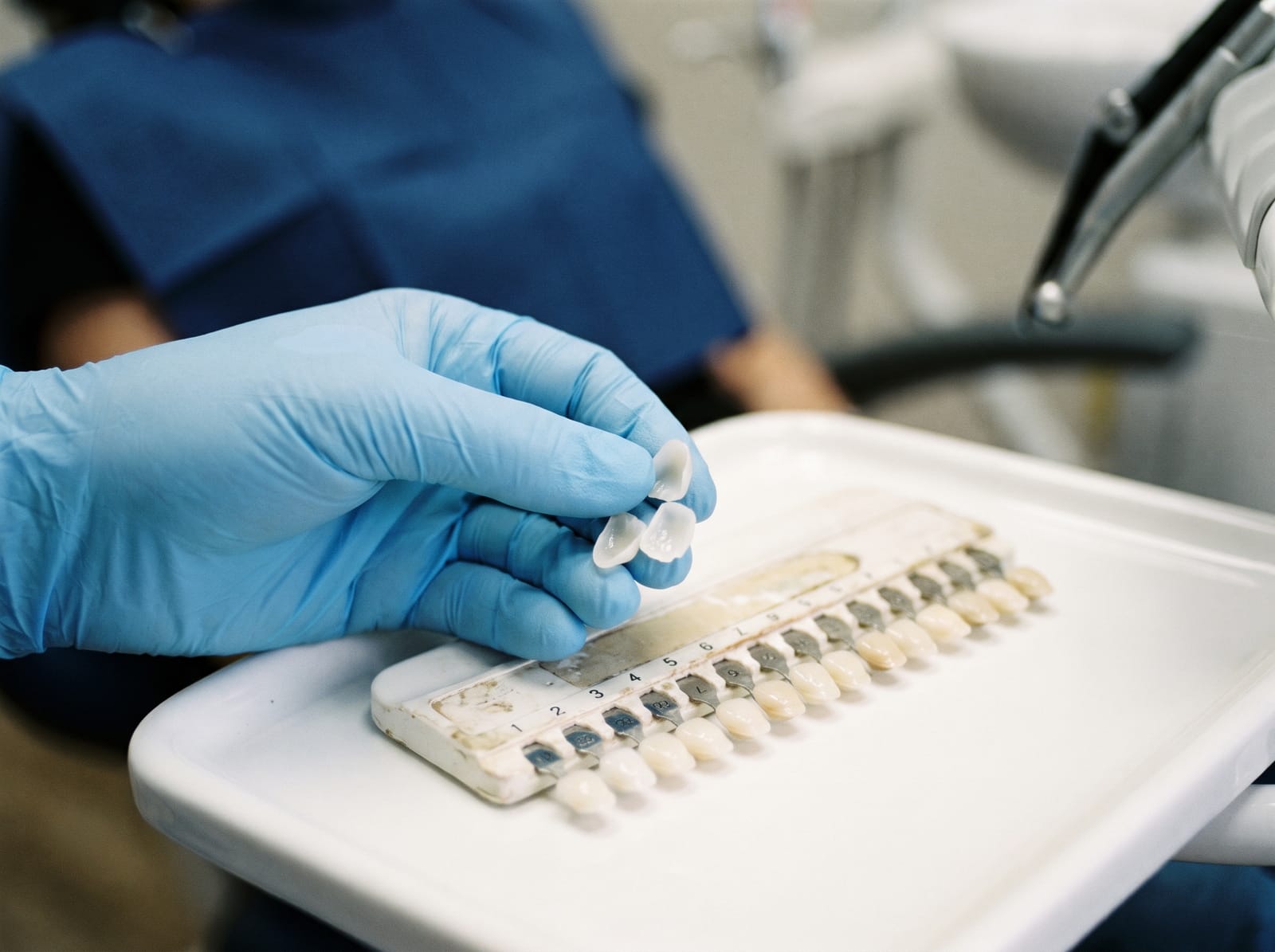 Veneers →Another cosmetic option for the look of your smile, with a different plan and price
Sources and review
How we made this page
Reviewed by the TijuanaClinics editorial team
Last reviewed November 16, 2026
Clinic prices come from the published price lists of the Tijuana clinics we list, in US dollars. The US and Tijuana ranges come from the published surveys and price guides named here. Treatment, travel and health facts come from the sources listed, named where they are used.
Check our work
Ask an AI assistant to fact check this page against its sources.
References
- 1.Clear dental aligners · U.S. Food and Drug Administration (FDA)
- 2.Retreatment after mail-order orthodontics? Add your name to AAO letter to FDA · American Association of Orthodontists (AAO), 2024
- 3.What are dental retainers? · American Association of Orthodontists (AAO)
- 4.Clear aligners · Cleveland Clinic
- 5.Efficacy of clear aligners in controlling orthodontic tooth movement: a systematic review (Rossini et al.) · The Angle Orthodontist, 2015
- 6.Invisalign and clear aligners: national cost · Pearl Dental Costs, from ADA fee survey data, 2026
- 7.Invisalign in Tijuana: prices · Bookimed, 2026
- 8.Clear aligners in Mexico: prices · Bookimed, 2026
- 9.Western Hemisphere Travel Initiative · U.S. Customs and Border Protection (CBP)
- 10.SENTRI · U.S. Customs and Border Protection (CBP)
- 11.Medical tourism · CDC Yellow Book (Travelers' Health)
- 12.Publication 502: Medical and dental expenses · Internal Revenue Service (IRS), 2025
- 13.Mexico travel advisory · U.S. Department of State
This guide is general information, not dental or medical advice. Your dentist knows your mouth; ask for a written treatment plan, and see a dentist at home for pain, swelling or a fever after treatment.
Ready to plan your clear aligners?
One request, sent to Tijuana clinics that do the treatment. Free, and no account.
Take the dental quiz